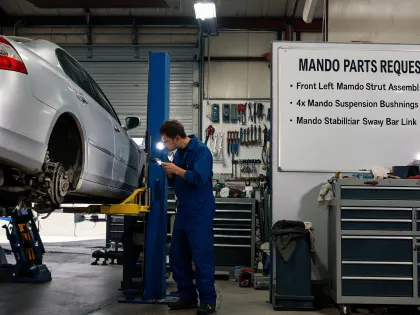
Independent repair workshops
Workshops need a fast route from vehicle details to a clear part family, especially when a service writer is trying to prevent a wrong-part delay.
The applications below come from the brand seed and reflect the real buying environments that need suspension, steering, ignition, and electrical selection help.
Workshops need a fast route from vehicle details to a clear part family, especially when a service writer is trying to prevent a wrong-part delay.
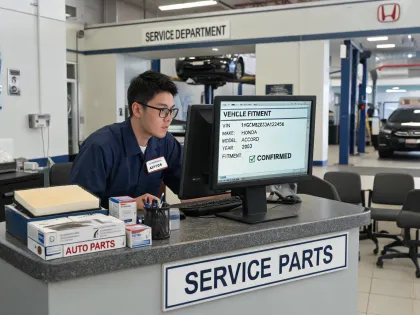
Dealer teams can use category-led guidance to discuss strut assemblies, steering components, alternators, and ignition parts with concise documentation.
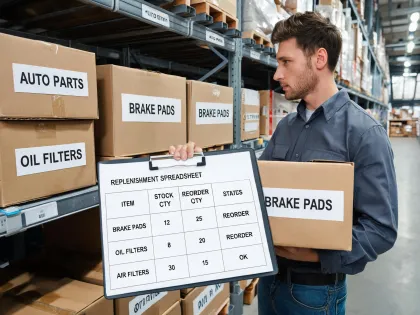
Buyers can organize replenishment questions by system, quote quantity, and cross-reference needs before submitting a supplier request.
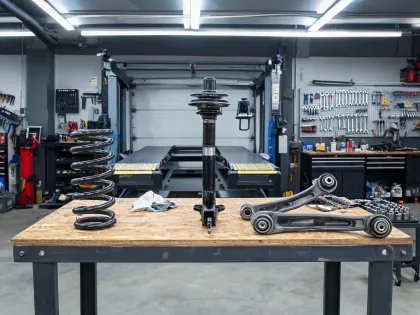
Performance shops often care about installation notes and connected components, so the page keeps job context next to the product category.
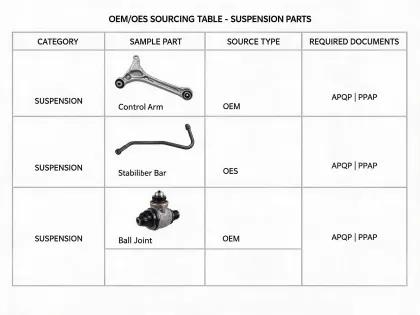
Sourcing teams can use the contact path to request documentation, qualification information, or category availability without relying on loose search terms.
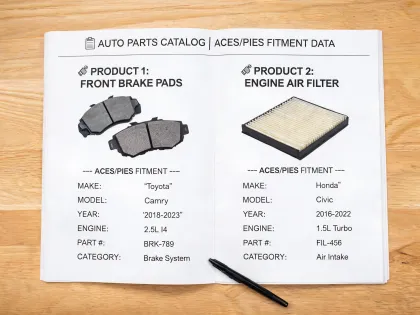
Catalog teams need cleaner product language, fitment attributes, and application notes that make online discovery less ambiguous.
A repair workshop may only need enough confirmation to keep a vehicle moving through the bay, while a wholesale buyer may need stock planning, carton quantities, and a simple way to compare related part families across multiple service locations.
Dealer service departments often begin with a VIN or service record, performance garages may care about geometry and connected chassis parts, and catalog teams need language that can survive online search without turning every product into an unexplained code.
A request from a workshop, distributor, dealer service department, or catalog team may need a different kind of answer. Add the channel context so the response can address fitment, quote packaging, or data needs.